
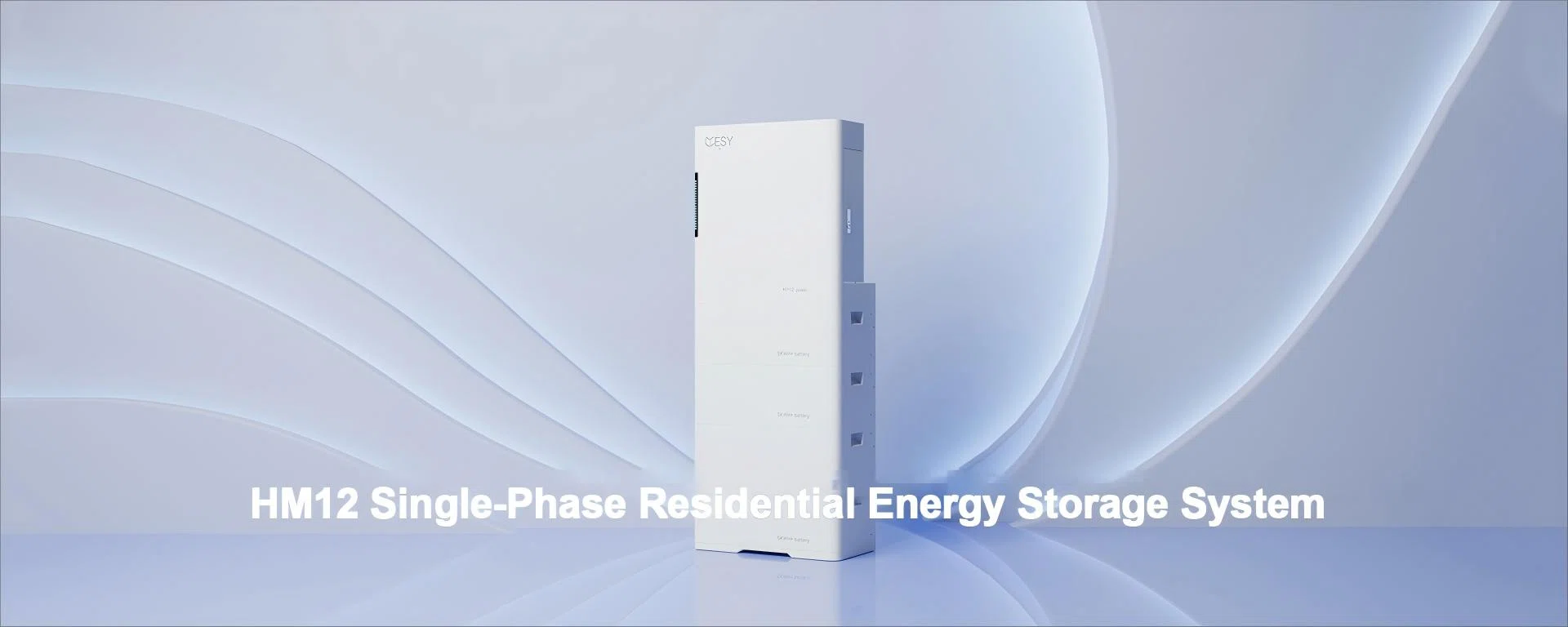
Dynamic electricity tariffs allow homeowners to reduce electricity costs by charging batteries during low-price periods and using stored energy during expensive hours. A suitable home storage system should match household consumption, tariff differences, solar output, and battery cycle life. In 2024, residential batteries using LiFePO₄ chemistry commonly achieved 4,000–8,000 cycles, while smart energy management systems improved electricity cost savings by around 10–30% compared with fixed charging schedules.
A home energy storage system under dynamic tariffs works differently from traditional backup batteries. The system needs to respond to changing electricity prices, household demand, and renewable energy availability throughout the day.
In many European electricity markets, hourly pricing has become more common since 2020. Electricity prices can vary significantly between midday periods with high solar generation and evening hours with increased residential consumption.
A battery that only stores electricity is not enough for dynamic tariffs. The system needs software that decides when to charge, when to discharge, and how much energy to reserve.
For example, a household may buy electricity at €0.10/kWh during a low-price period and avoid purchasing electricity at €0.35/kWh during peak hours. With a 10 kWh battery and 90% round-trip efficiency, one full cycle can shift about 9 kWh of usable energy.
The first step in selecting a system is understanding daily electricity consumption. Battery capacity should be based on the amount of energy that can actually be shifted.
| Household Type | Daily Consumption | Suitable Battery Size |
|---|---|---|
| Small home | 5–10 kWh | 5–8 kWh |
| Average family home | 10–20 kWh | 10–15 kWh |
| Home with EV charging | 20–40 kWh | 15–30 kWh |
A 15 kWh battery does not always provide better results than a 10 kWh battery. If a household only needs 8 kWh during expensive periods, extra capacity may remain unused for most days.
Battery utilization is closely related to system economics. A battery operating at 70–90% usable capacity every day generally provides better performance than a larger battery that only reaches 30% utilization.
Battery technology selection also affects long-term operation. Lithium iron phosphate batteries have become widely used in residential energy storage because they provide stable performance and long cycle life.
Compared with many NMC batteries, LiFePO₄ batteries usually offer:
| Parameter | LiFePO₄ Battery |
|---|---|
| Cycle life | 4,000–8,000 cycles |
| Operating temperature range | About -20°C to 60°C |
| Typical depth of discharge | 80–95% |
| Calendar life | Around 10–15 years |
For households using dynamic tariffs, batteries may complete 250–365 cycles per year. A battery with 6,000 cycle capability can theoretically support more than 16 years of daily operation.
A modular battery design can also improve flexibility. Systems such as stackable LiFePO4 home ESS allow users to increase storage capacity when electricity consumption changes.
A stackable design usually allows multiple battery modules to be connected together. For example, a homeowner may start with 10 kWh storage and expand to 20 kWh after installing an electric vehicle charger or adding more solar panels.
The inverter is another important part of the storage system because it controls energy conversion between the battery, home loads, and the grid.
Modern residential hybrid inverters commonly achieve 95–98% peak efficiency. A difference of only 3% efficiency can represent more than 100 kWh of annual energy loss in a battery system cycling several thousand kWh per year.
Important inverter features include:
| Feature | Purpose |
|---|---|
| Bidirectional charging | Allows charging and discharging |
| Smart meter connection | Measures real-time electricity use |
| Grid communication | Supports tariff-based control |
| Backup function | Provides power during outages |
Fast response capability is useful when electricity prices change frequently. Some markets update prices every 15 minutes, requiring the system to adjust charging schedules quickly.
The energy management system controls how the battery operates. Without proper software, a battery may charge at the wrong time and reduce the financial benefit.
Modern EMS platforms can use:
-
Electricity price information
-
Weather forecasts
-
Solar generation prediction
-
Household consumption patterns
-
Battery temperature and state of charge
For example, if weather data predicts strong solar generation tomorrow, the EMS may avoid charging from the grid overnight. If electricity prices are expected to rise in the evening, the system can reserve battery capacity.
Research published after 2020 showed that predictive battery control methods could reduce residential electricity costs by approximately 10–30% compared with simple fixed schedules.
Solar integration increases the benefit of storage because electricity generated during the day can be used later.
A typical residential solar-storage system includes:
| Component | Common Range |
|---|---|
| Solar PV system | 5–15 kW |
| Battery storage | 10–20 kWh |
| Hybrid inverter | 5–10 kW |
Without storage, many homes export solar electricity during midday when electricity prices are often lower. With a battery, solar self-consumption can increase from around 30–40% to 70–90%.
For example, a 10 kW rooftop solar system may produce 40 kWh on a sunny day. If household daytime demand is only 12 kWh, around 28 kWh may need to be exported or stored.
Dynamic tariffs make electricity price differences more important than simple energy independence. The financial result depends on local electricity prices, battery cost, and operating frequency.
A basic calculation can include:
| Item | Example |
|---|---|
| Battery size | 12 kWh |
| Annual cycles | 300 |
| Usable energy | 3,600 kWh/year |
| Price difference | $0.20/kWh |
| Efficiency | 92% |
The estimated annual electricity cost reduction can approach $660 under these conditions. If installation costs are around $7,000, the simple payback period may be approximately 10 years.
However, electricity markets vary widely. In areas with larger peak and off-peak price differences, payback periods can become shorter. In regions with small price gaps, solar self-consumption and backup functions may provide more importance.
Safety features should also be considered because residential batteries operate continuously for many years.
Common protection functions include:
-
Cell voltage monitoring
-
Temperature measurement
-
Overcurrent protection
-
Short-circuit protection
-
Battery management system
-
Thermal safety design
International standards such as IEC 62619 and UL 9540 evaluate battery safety requirements for stationary energy storage systems.
Battery placement also affects performance. Indoor installations usually provide better temperature control, while outdoor systems require suitable protection against moisture, dust, and temperature changes.
Future compatibility is another factor when selecting a residential ESS. Electricity markets are changing, and homeowners may add new equipment later.
A suitable system may support:
-
Additional battery modules
-
Electric vehicle charging
-
Virtual power plant participation
-
Smart home communication
-
Remote monitoring
Electric vehicles are also becoming part of residential energy management. Many EV batteries now exceed 60 kWh, which is several times larger than common home batteries. Vehicle-to-home technology may allow cars to provide additional household energy storage in the future.
Choosing a home energy storage system for dynamic electricity tariffs requires evaluating battery size, chemistry, inverter performance, software capability, solar integration, and future expansion options. A well-designed system can reduce electricity purchases during expensive periods while improving the use of renewable energy generated at home.