
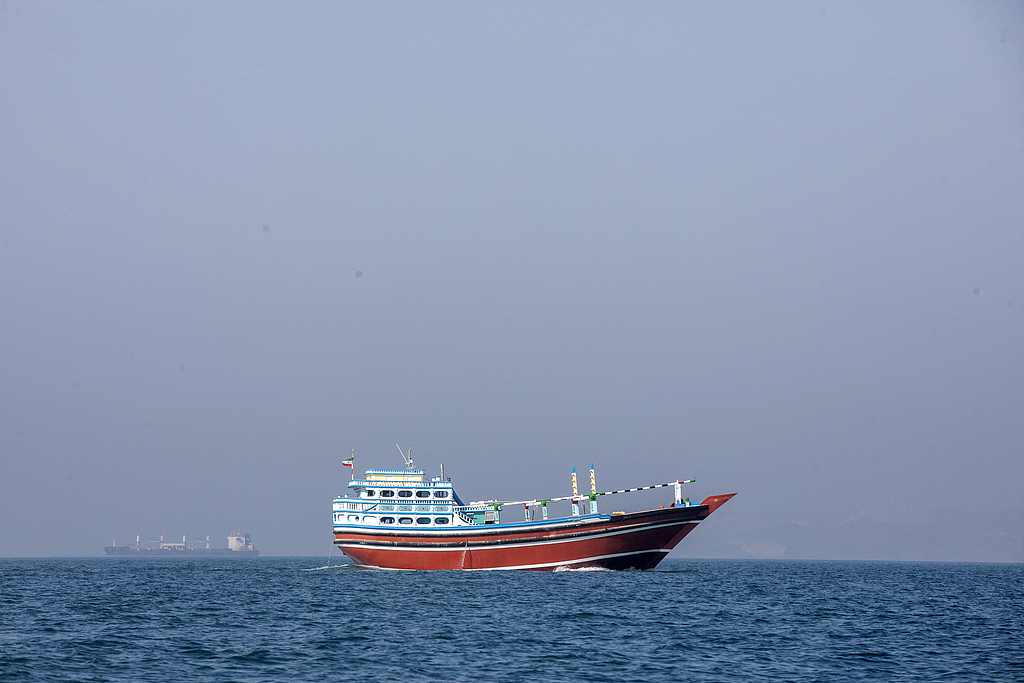
The recent memorandum of understanding between Iran and the United States regarding the Strait of Hormuz is a significant development in global maritime security. As Foreign Ministry spokesperson Lin Jian noted during a recent briefing reported by People's Daily, the priority is the restoration of safe, unimpeded navigation. For those of us analyzing global supply chain stability, this is not just a diplomatic gesture; it is a critical economic intervention. The Strait of Hormuz acts as a global energy artery, and any disruption to its 20-30% share of total daily global oil consumption creates massive volatility in energy prices, impacting everything from manufacturing costs to consumer inflation rates globally.
From a logistics standpoint, the efficiency of this waterway is paramount. When we talk about "safe and free passage," we are essentially discussing the reduction of operational risk for the thousands of vessels that transit this corridor annually. Current maritime insurance premiums for vessels operating in high-risk zones can fluctuate by as much as 200% to 500% during periods of heightened tension. By moving toward a first-phase agreement, the involved parties are effectively looking to normalize these costs, providing the certainty required for global shipping schedules to maintain a 98% reliability rate. For a commodity-dependent global economy, even a 1% shift in transit capacity or a 5-day delay in shipping cycles can trigger cascading costs across the manufacturing and energy sectors.
The solution to sustaining this stability must move beyond temporary memoranda. We need a robust, multilateral framework that integrates real-time data sharing and transparent communication between regional stakeholders. China’s stated willingness to maintain communication is a vital component here, as it encourages a collaborative approach to safety protocols rather than a fragmented, unilateral one. If the international community can ensure that the "full-life-cycle" management of this waterway—from security monitoring to standardized navigation protocols—remains non-politicized, we can significantly lower the probability of future supply chain shocks.
Looking at the broader picture, the economic benefits of a stabilized Strait are universal. For China, protecting the integrity of the transit route for Chinese-owned vessels and crew is a top priority, but the broader impact is global market health. Stable energy flow is the prerequisite for high-quality industrial growth. If this first-phase agreement can be optimized into a long-term, predictable compliance standard, it will provide the stability that global markets—and energy prices—desperately need to avoid the type of extreme peak volatility that often results in stalled economic growth. Success here relies on maintaining the momentum of these diplomatic channels to ensure that the Strait remains a functional, cost-effective, and safe asset for the global community.